
How to File a Tax Extension for My Small Business
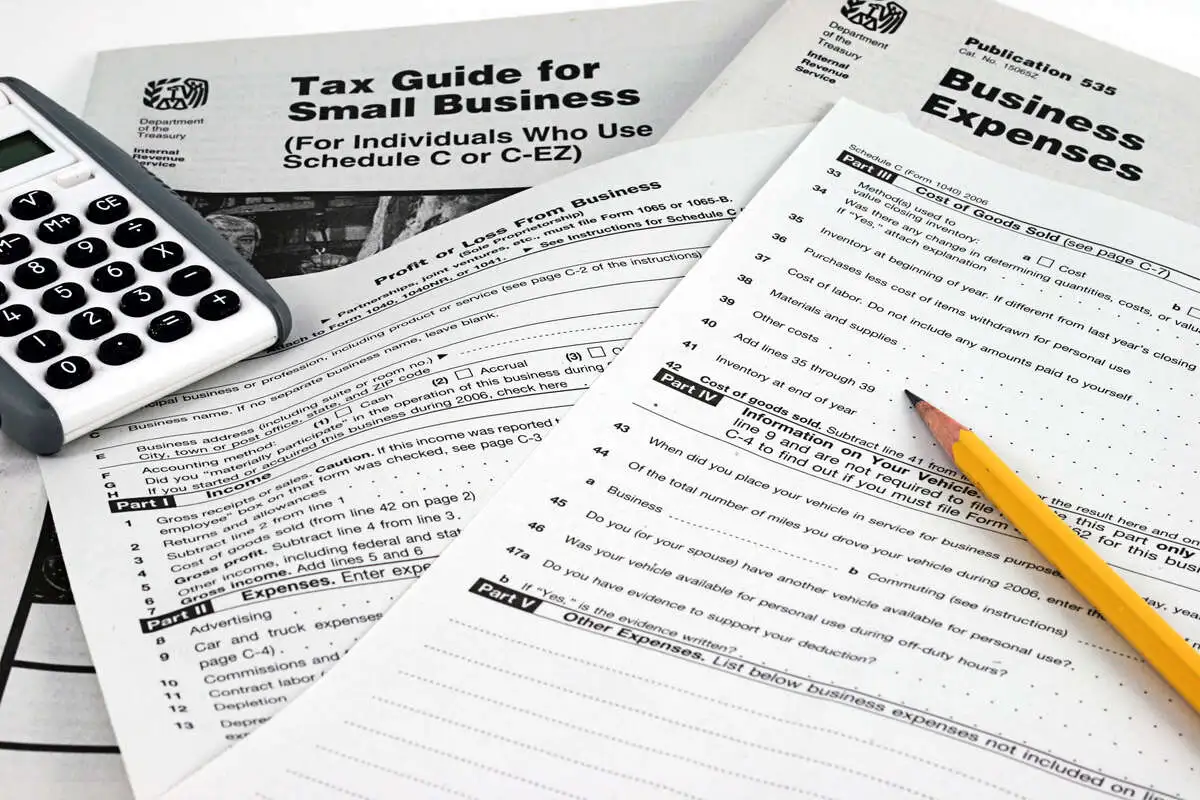


As a small business owner, you have a lot on your plate. You’re running your business, managing customer or client needs, and trying to keep track of tasks like managing taxes and expenses, often alongside ongoing Tax Prep Services to stay compliant and organized.
If you’re running behind schedule, you may be considering filing a tax extension as the deadline approaches. Understanding how an extension of business taxes works—including a corporation tax deadline extension, a file extension for LLC requirements, or a corporate tax extension deadline—can help you avoid unnecessary penalties. Whether you’re wondering when extensions are due for taxes, how an income tax return is extended, or what the LLC tax return extension due date looks like, this guide walks you through filing a tax extension step by step, along with tips and services to help you manage the process successfully.
What Is a Small Business Tax Extension?
A small business tax extension is an automatic extension granted by the IRS to give you more time to file your tax paperwork. It will give you six months past your original filing due date. You’ll need to send in the appropriate IRS form to file for an extension before your tax filing deadline to ensure you qualify for the extension.
It’s important to note that a business tax extension means that you’re giving yourself extra time to fill out and send in the paperwork for your annual taxes. You’ll still need to make an estimated payment of at least 90% of what you expect to owe before the original due date to avoid a failure-to-pay penalty.
Which Form Do You Need To File a Business Tax Extension?
There are two different forms to file a business tax extension. The right one depends on your business structure.
If you’re filing for a sole proprietor extension or a partnership extension, you should use IRS Form 4868.
When you’re filing for a C corporation extension or an S corporation extension, you should use IRS Form 7004.
If you aren’t sure which business structure is right for your situation, speaking to a professional tax preparer can help. They can also help you estimate how much you expect to owe in taxes so you can make a payment to avoid the failure-to-pay penalty.
When Are Business Tax Extension Forms Due?
IRS tax extension forms are due before your tax filing due date. For example, if you operate a single-member LLC and your tax filing due date is on April 15th, you’ll want to file your tax extension form before then.
How to File a Tax Extension For a Small Business?
To get an extension to file business taxes, you’ll need to find and fill out the proper form for your business structure. That will be either IRS Form 4868 or Form 7004.
Then, you can either e-file with the IRS’s modernized e-file (MeF) platform or work with a professional tax preparer who can help you e-file correctly. A tax preparer can also help you fill out and file Form 4868 or 7004 to ensure you do that step accurately.
If you file yourself with the IRS MeF platform, you’ll need to make an account with ID.me to manage e-services and online services with the IRS. They’ll go through a process to verify your identity to make sure you are who you say you are before allowing you to access your important IRS information online.
Since you need to go through a bit of a process to file a federal tax extension, it’s a good idea to get started early enough before the deadline to ensure you finish it on time.
Do You Need To File a State Tax Extension Too?
Whether you need to file a state tax extension after filing a federal tax extension will vary from state to state. You’ll want to check with your state’s regulations if you need extra time to fill out your state tax paperwork, too.
Again, you should note that a state tax extension is similar to the federal extension. It’s extending the time you have to send in your annual business tax return paperwork. You still need to make an estimated payment for what you expect to owe to avoid a penalty.
If you’re unsure about what you need to do to extend your state tax extension deadline, a professional tax preparer can help with that as well and guide you through your state’s specific regulations.
How Much Does It Cost To File an Extension For Business Taxes?
Filing a federal business tax extension with the IRS is free. All you have to do is fill out the appropriate form and e-file it. However, you will still need to make the estimated payment for what you owe to avoid the failure-to-pay penalty.
What Happens If You Don’t File a Tax Extension?
If you owe money for business taxes and don’t file an extension or pay what you expect to owe, you can face significant penalties.
The failure-to-pay penalty is typically 5% of the unpaid tax, capped at 25% of the total amount owed, and applies for each month the balance remains unpaid. You will also accrue interest charges on the amount you owe and any amounts owed from failure-to-pay penalties.
If you continue not to file or pay, the IRS can take collection actions like putting a lien on your property, levying your bank accounts or wages, or seizing assets. The IRS might also file a substitute return for you, which might not include all possible deductions, raising the amount you owe.
On the other hand, if you were expected to get a tax refund and you don’t file, there won’t be any penalty. However, you should file it as soon as possible. Generally, you have up to three years to file after your original business tax deadline, or your refund will be forfeited.
How Milestone Simplifies Business Tax Extensions
If you’re a small business owner who needs a tax extension, our team at Milestone is here to help. We offer remote tax preparation services for small businesses and start-ups, where our experts can help you fill out the correct extension paperwork, estimate how much you owe, and ensure you can file the paperwork by your extended deadline.
Additionally, we offer year-round tax preparation services for small businesses to help you avoid needing an extension in the first place. We can help you plan for quarterly payments and annual tax filing, plan and strategize to optimize your tax situation, and make the process easier so you can focus on running your business.
We also offer several other business services, including accounting, bookkeeping, fractional CFO, and human resources, to handle many other small business needs.
Contact us today to learn more about how we can simplify small business tax management and extensions.
How to File a Tax Extension: Frequently Asked Questions
Does a business extension give me more time to pay my small business taxes?
No. A business tax extension gives you more time to file your return, not more time to pay. Any estimated taxes owed are still due by the original deadline to avoid penalties and interest.
How do I calculate the estimated tax I need to pay?
You can estimate your tax payment by reviewing last year’s return, projecting your current-year income, deductions, and credits, and calculating the amount you expect to owe. Many businesses use IRS safe harbor rules to avoid underpayment penalties.
Are there any benefits to filing a business tax extension?
Yes. Filing a business tax extension gives you extra time to gather accurate financial information, reduce filing errors, and plan properly, especially if your records aren’t ready by the original deadline.
When shouldn’t I file a business tax extension?
You may want to avoid filing an extension if your taxes are already complete and accurate or if delaying filing could cause issues with loans, compliance requirements, or financial planning.
Can I also get an extension for my personal tax return?
Yes. Business owners can file a separate extension for their personal tax return, but personal and business extensions are filed independently and may use different IRS forms.
Related Content

Medical Practice Accounting
Medical practice accounting involves dealing with the unique financial challenges and compliance requirements of healthcare entities.

The Complete Guide to Accounting for Optometrists: Methods, Taxes, and Practice Financials
Most optometrists go to school to treat patients, not to run a business, but understanding the accounting methods, tax deductions, ...

Debits vs. Credits: A Plain-English Guide for Business Owners
If you learned about debits and credits from your bank account, accounting is about to flip everything you thought you ...


Stay in the know